Monday, February 27, 2017

Benjamin Britten and Peter Pears

This month Clef Notes is taking a look at composer love stories. Benjamin Britten’s life and work was greatly affected by his own love story. Britten met tenor Peter Pears in 1936 and they ended up living together until his death in 1976. Pears inspired much of Britten’s operatic roles and song cycles and the two collaborated regularly in performance.

Britten and Pears carried on a homosexual relationship during a time in history when this was looked down upon by society. This perhaps explains thematic undertones of his famous opera Peter Grimes, during which a fisherman is driven to suicide by the community around him. This opera became the first major English opera since the days of Henry Purcell.


Homosexuality is another theme found in some of Britten’s work. One such example is his opera Death in Venice, based on the work by Thomas Mann. The plot revolves around a writer who becomes infatuated with a young boy. Britten perhaps felt a certain connection to Mann’s work, as he also experienced attraction to the innocence of youth. Death in Venice was his last opera. Pears performed the leading role, however Britten was unable to attend the premiere due to the illness that would eventually take his life. 

Thursday, February 23, 2017

J.S. Bach and Anna Magdalena

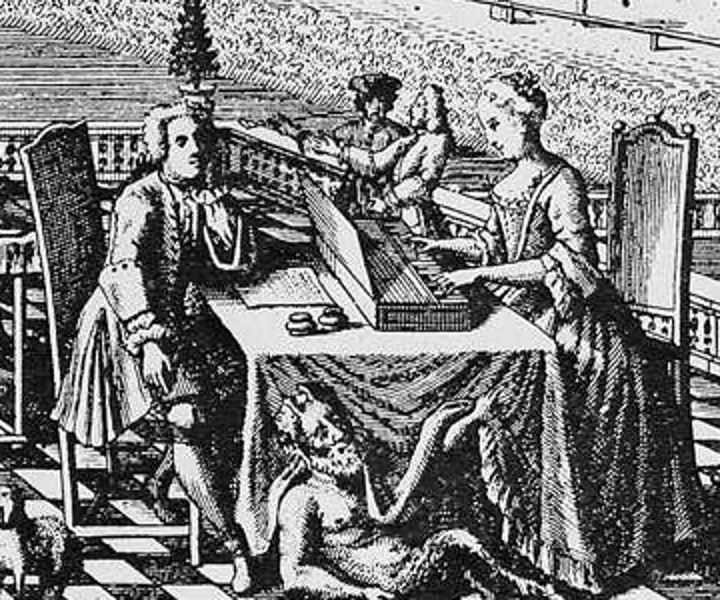
During this month of composer love stories, let’s not forget about Johann Sebastian Bach and his lovely second wife! Anna Magdalena served as not only the composer’s helpmate, but as the mother of thirteen of his children and a professional musician. The couple married in 1721 during Bach’s time in Cöthen.

While in Cöthen, Bach did not have duties as a church musician so scholars assume he took advantage of the extra time in his schedule to write secular court music and pedagogical works. The Little Keyboard Books, two of which were given to Anna Magdalena, served as music teaching and recreation books for his family. The first of these books (1722) was a wedding gift and contains the earliest source of his French Suites. The second book (1725) contains famous minuets and other pieces used for teaching purposes.

While Bach certainly contributed to these volumes, the second edition in particular contains many pieces by other composers of the time as well as little works by Anna and the children. It was quite rare during this time for a woman to compose, however Anna added quite a few works to her book up until the 1740s!


Anna Magdalena Bach
Courtesy of wikimedia.org 

Monday, February 20, 2017

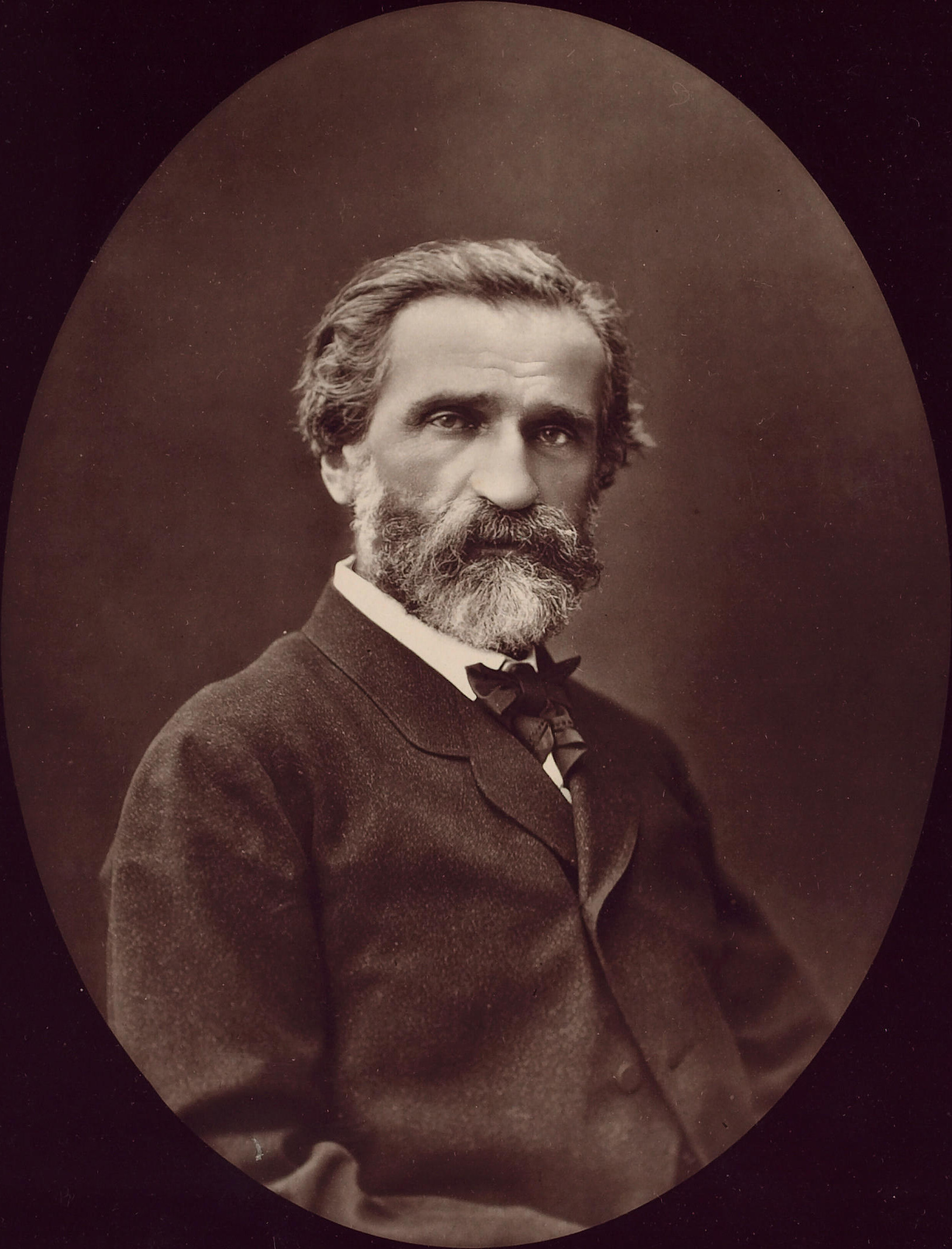
Giuseppe Verdi: Sweet and Scandalous!

Giuseppe Verdi’s first love was rather sweet, but his second began as a scandal. This month Clef Notes is looking at composer love stories. While some are sweet and romantic, others are just plain dirty and complicated.

Giuseppe Verdi
Courtesy of wikimedia.org

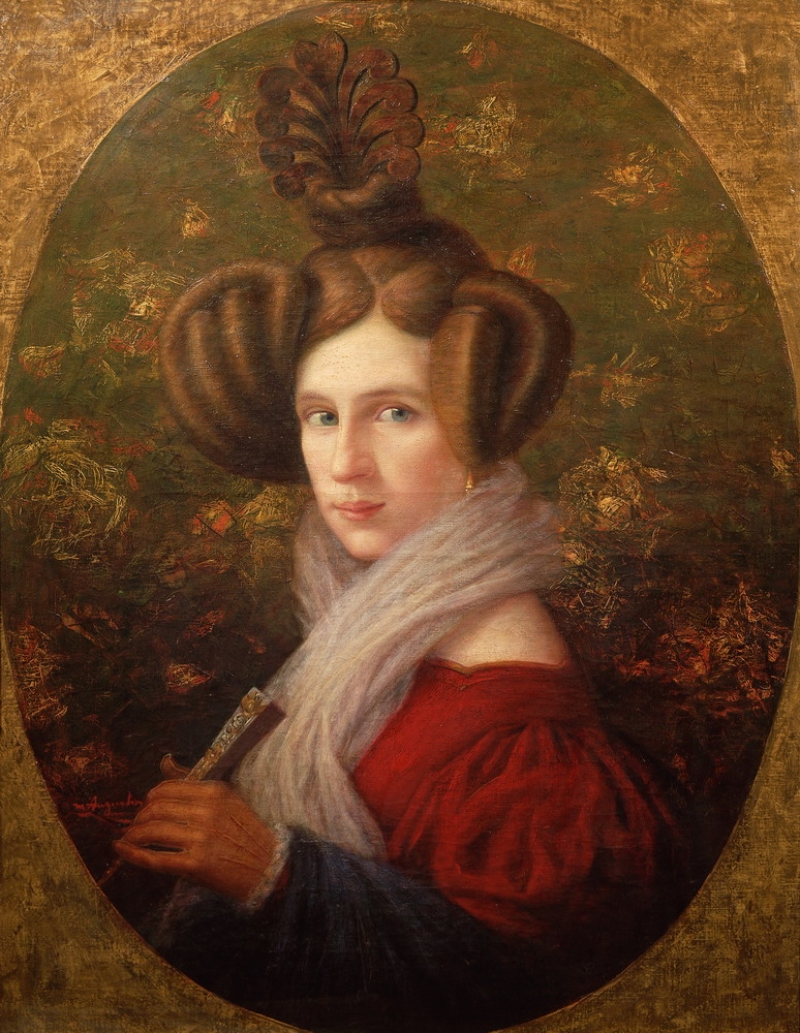
When Verdi was just 18, he went to live with a merchant and patron of the arts by the name of Antonio Barezzi. This man would later finance the young composer so that he could further his studies in Milan. Following his studies, Verdi secured a position teaching lessons at a music school and conducting the philharmonic society concerts in Busseto. At this point, he married his young love Margherita, Barezzi’s oldest daughter.

Margherita Barezzi
Courtesy of wikimedia.org
Margherita loved her husband and supported his work. She bore him two children, Virginia Maria Luigia and Icilio Romano Carlo Antonio. Sadly, both of the children and Margherita died within a couple-year span, leaving Verdi devastated. At the same time, he had an opera fail and vowed to quit composing forever. Good thing he didn’t stick to his claim!

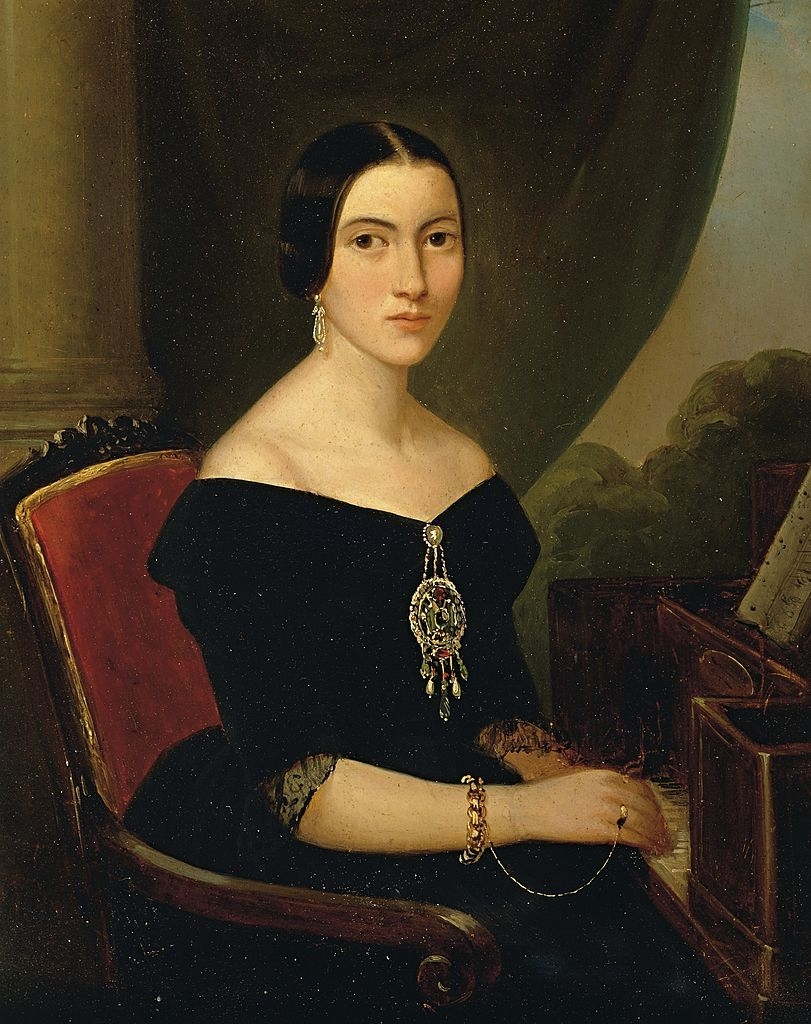
After a period of mourning, Verdi came back to the arena with a huge success in his opera Nabucco. It was around this same time that he became acquainted with soprano Giuseppina Strepponi, who sang the role of Abigaille during Nabucco’s premiere. Strepponi had a bit of a reputation, having two illegitimate children. Their paths crossed again in 1847 after Strepponi had retired from the stage and was making a living as a teacher. The two fell in love and soon moved in together. At this point in time, an unwed couple residing together was considered a scandal, and Verdi’s father-in-law, Barezzi, was at first enraged by the ordeal. He eventually came to accept Strepponi as a daughter and the couple finally married in 1859. It is unknown why the couple waited so long, or why they finally chose to marry after so many years.

Giuseppina Strepponi
Courtesy of wikimedia.org 
Strepponi believed that she didn’t deserve Verdi. She spent the remainder of her life loving and supporting him, helping him to find a good balance between his work and leisure.


Next time, let’s travel back in time a bit further, and look at another sweet love story between J.S. Bach and Anna Magdalena.