Tuesday, August 30, 2016

Lili Boulanger Wins the Prix de Rome

You may have heard of Nadia Boulanger (1887–1979), legendary teacher to Aaron Copland, Philip Glass, Astor Piazzolla, and many more. But did you know that Nadia had a younger sister, Lili (1893–1918), who was a talented composer? Let’s wrap up our discussion on women composers this month by looking at Lili and her work.
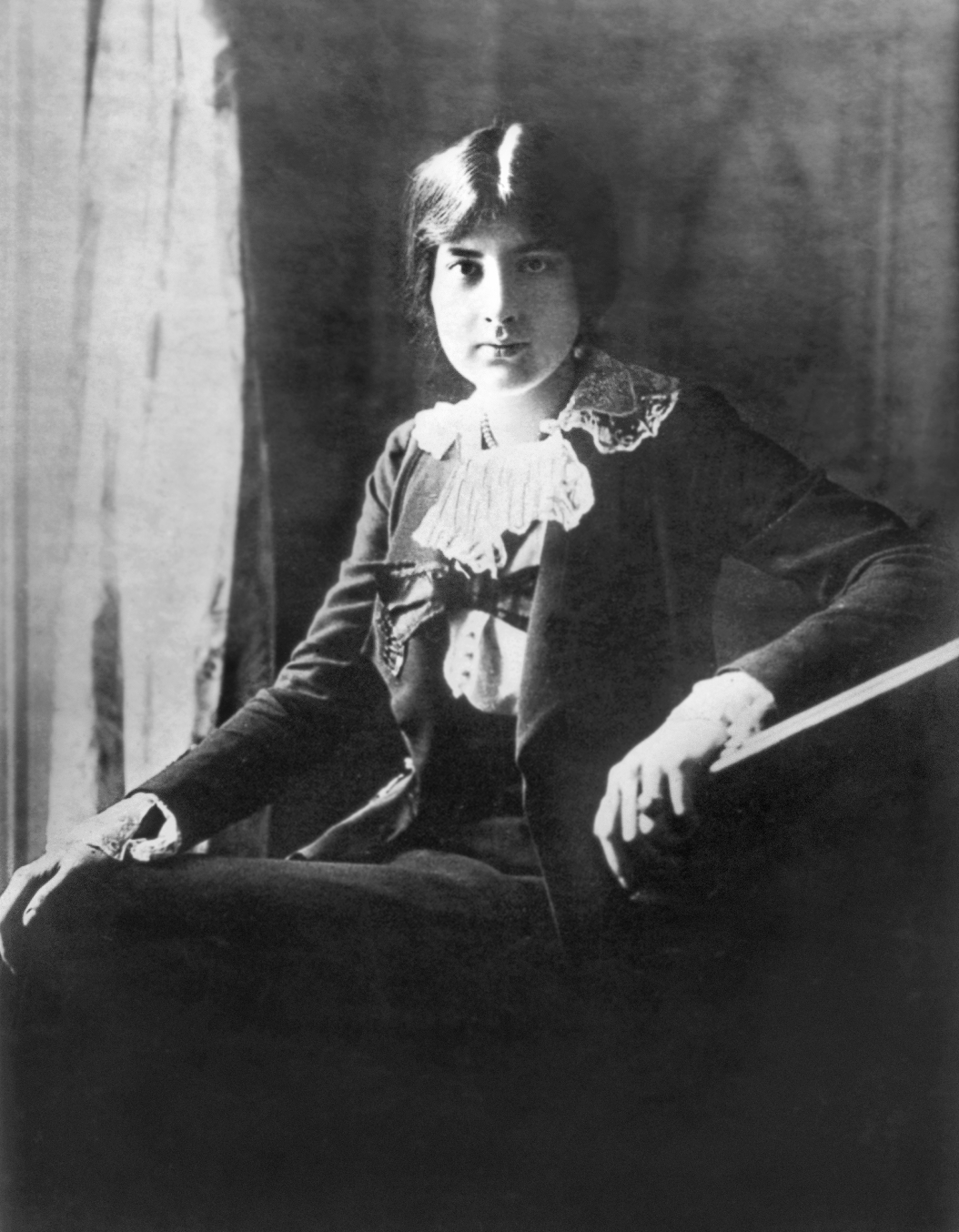
Courtesy of https://commons.wikimedia.org


The talented Boulanger sisters were born into privileged circumstances near the end of the nineteenth century. Musical talent ran in their blood, their grandmother was a celebrated singer and their father, a former winner of the Prix de Rome.  It is no wonder that both girls decided to pursue music as a career. Nadia, feeling pressure to financially sustain her family following their aged father’s death, attempted several times to win the Prix de Rome to no avail. While the Paris Conservatoire allowed women to enter the competition at the time, it made it nearly impossible for them to win. Despite this, Lili got the idea to attempt the competition herself and, in 1913, became the first woman to win with her cantata Faust et Helene.


After winning this prestigious competition, Lili was launched into the musical world, having her works performed alongside the masters and quickly obtaining a contract with a music publishing company, who promised a steady income.


Having struggled with health problems since she was a child, Lili’s health began to deteriorate shortly thereafter. She passed away at the age 24, leaving the world to wonder what musical masterpieces could have been if she had lived a full life.

Thursday, August 25, 2016

Chaminade's Concertino for Flute and Piano, Op. 107

Are you familiar with any works by Cecile Chaminade (1857–1944)? Born in the nineteenth century, Chaminade was a gifted pianist and composer who, unlike some of her female contemporaries, did not struggle to make a name for herself during her lifetime. Last time we looked at her life as a musician. Today, let’s listen to one of her compositions.

Chaminade was quite prolific, having over 350 works to her credit including a comic opera, ballet, choral symphony, chamber and orchestral works, songs, and piano pieces. She became popular during her day because many of her pieces were perfect for trendy domestic music-making. Due to this popularity, many of her works were actually published within her lifetime.

Chaminade’s Concertino for Flute and Piano, op. 107 is one popular work that you may hear now and then on 90.9 WGUC. This work was written for the Conservatoire’s annual flute contest in 1902. Today, the piece has made it into the standard flute repertoire. Below, listen to James Galway perform this delightful work.


Next week, we will wrap up this month’s look at women composers by discussing the Boulanger sisters!

Tuesday, August 23, 2016

Cecile Chaminade: Pianist and Composer

Cecile Chaminade (1857–1944) was a gifted pianist and composer who, unlike some of her female contemporaries, did not struggle to make a name for herself during her lifetime. She began writing for her church at eight. Recognized by Georges Bizet as a true talent, she was encouraged to begin private music studies from prominent musicians of the day. This was in lieu of attending the Conservatoire, which was prohibited because of her gender.

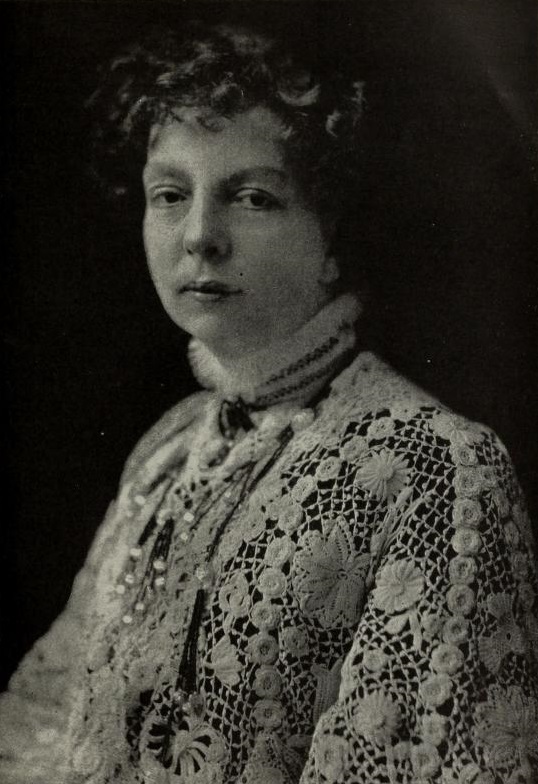
Cecile Chaminade: Courtesy of wikimedia.org

At eighteen, Chaminade gave her first public concert and from there, began touring France, Belgium, Britain, and eventually America performing her own works. In 1913, she was the first woman to receive the Legion of Honor from the French government. Despite her success, she went relatively unnoticed by scholars following her death. It wasn’t until the late 20th-century when a newfound interest in women composers developed, that she gained proper attention. 


Curious if you know a piece by Chaminade? Join me next time as we look at one of her works.